How Can A Caregiver Help A Person With Ulcerative Colitis?
When someone in the family has ulcerative colitis (UC), it can affect the entire family and their friends. Being a caregiver means helping someone manage both the physical symptoms of UC and the negative emotions the disease may bring. The challenges one may face over a long time may be complex and diverse.
Here’s what one can do to help their loved one manage and overcome UC better.
Caretaker
Look For Ways To Avoid Flare-ups
One can help prevent disease flare-ups by looking out for potential triggers.
Collaborate with healthcare professionals to understand dietary recommendations.
Help plan and prepare meals that align with the individual’s dietary needs and restrictions. For example, help them avoid food items such as:
Nuts and seeds, which may affect the gastrointestinal tract
Milk and milk products, if they are lactose intolerant
Aerated drinks, as they may cause gas
Caretaker
Provide Emotional Support
Be a compassionate listener and offer emotional support during challenging times.
Encourage open communication about feelings, fears, and concerns related to UC
A simple text saying, “Hey, I am there for you”, may be meaningful
It’s essential to listen to them so they can share their thoughts/feelings
Try to help them relax by understanding their situation
Caretaker
Educate Themselves
Take the time to learn about ulcerative colitis, its symptoms, and treatment options.
Understand potential triggers and complications associated with the condition.
Caretaker
Ensure That Medications Are Taken Regularly
One of the best ways somebody can manage their UC is by taking prescribed medications properly. As a caregiver, one can help them adhere to their treatment regimen by reminding them to take their medicines.
Caretaker
Don't feel upset if someone with ulcerative colitis cancels Plans
It’s never personal when a patient suffering from UC cancels a plan, caregivers must be supportive.
Caretaker
Take them to any procedures or appointments
Being present at appointments or just being there for moral support can help ease a lot of stress for the loved one.
Caretaker
Help them with chores
Supporting the patient by helping them with household chores can alleviate their additional worries and make them feel less stressed.
Caretaker
Ask about their food restrictions and help them
In case of going out, attending a dinner, or just cooking, think about their food restrictions and try to accommodate.
Caretaker
Promote Hydration
Encourage the individual to stay hydrated, especially during periods of active symptoms.
Monitor fluid intake to prevent dehydration.
Caretaker
Assist with Lifestyle Adjustments
Help implement lifestyle changes that may positively impact UC symptoms, such as stress management techniques and regular exercise.
Encourage the individual to engage in activities that promote overall well-being.
Caretaker
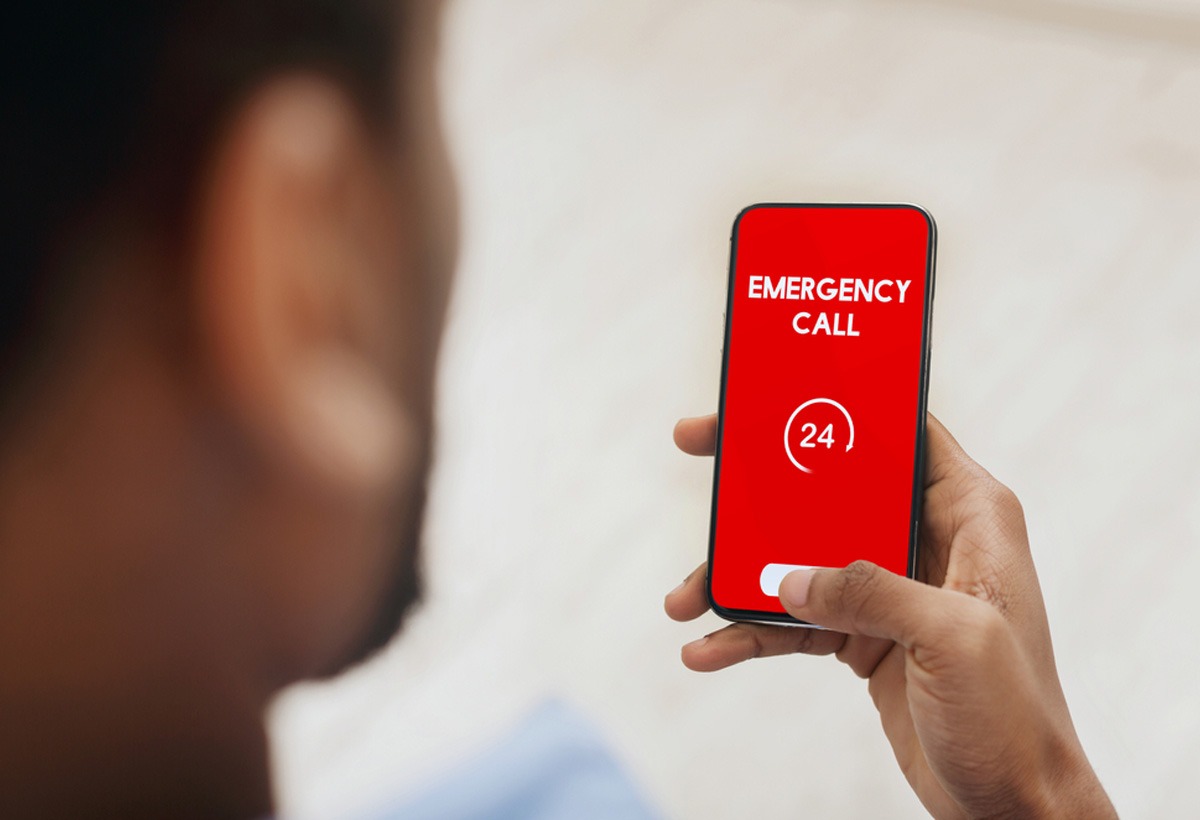
Emergency Preparedness
Develop a plan for handling potential UC flare-ups or emergencies.
Ensure awareness of emergency contact information and healthcare provider details.
Username
Date
Abdominal Pain
Rectal Bleeding
Appetite Changes
GI Symptoms
Stool Frequency
Consistency
Medication Compliance: Did you take all prescribed medications?